
Why critical thinking is a survival skill now
Generative AI delivers polished answers in seconds—often without showing sources, trade-offs, or mistakes. Children who only consume those outputs skip the mental workout of forming conclusions and questioning them. Critical thinking means weighing evidence, spotting weak logic, and testing alternatives. In the AI age, that is not optional enrichment; it is how students stay thinkers rather than copy machines.
What parents might notice at home
Warning signs: homework that jumps to a final answer with no working, explanations that stop at “the AI said so,” intolerance for hard problems, or dropping curiosity once a chatbot is available. Positive signs: children who ask “how do we know?”, compare two sources, or happily revise after feedback.
Home habits that build reasoning
Try Brookings-style prompts: reverse-engineer an answer—“What information would someone need? What criteria matter? Could another conclusion be fair?” Ask about weekly choices (“what else did you consider?”). For schoolwork, require a first attempt before tools. Celebrate productive struggle: mistakes that lead to better strategies are evidence of growth, not failure.
Subjects are thinking gyms
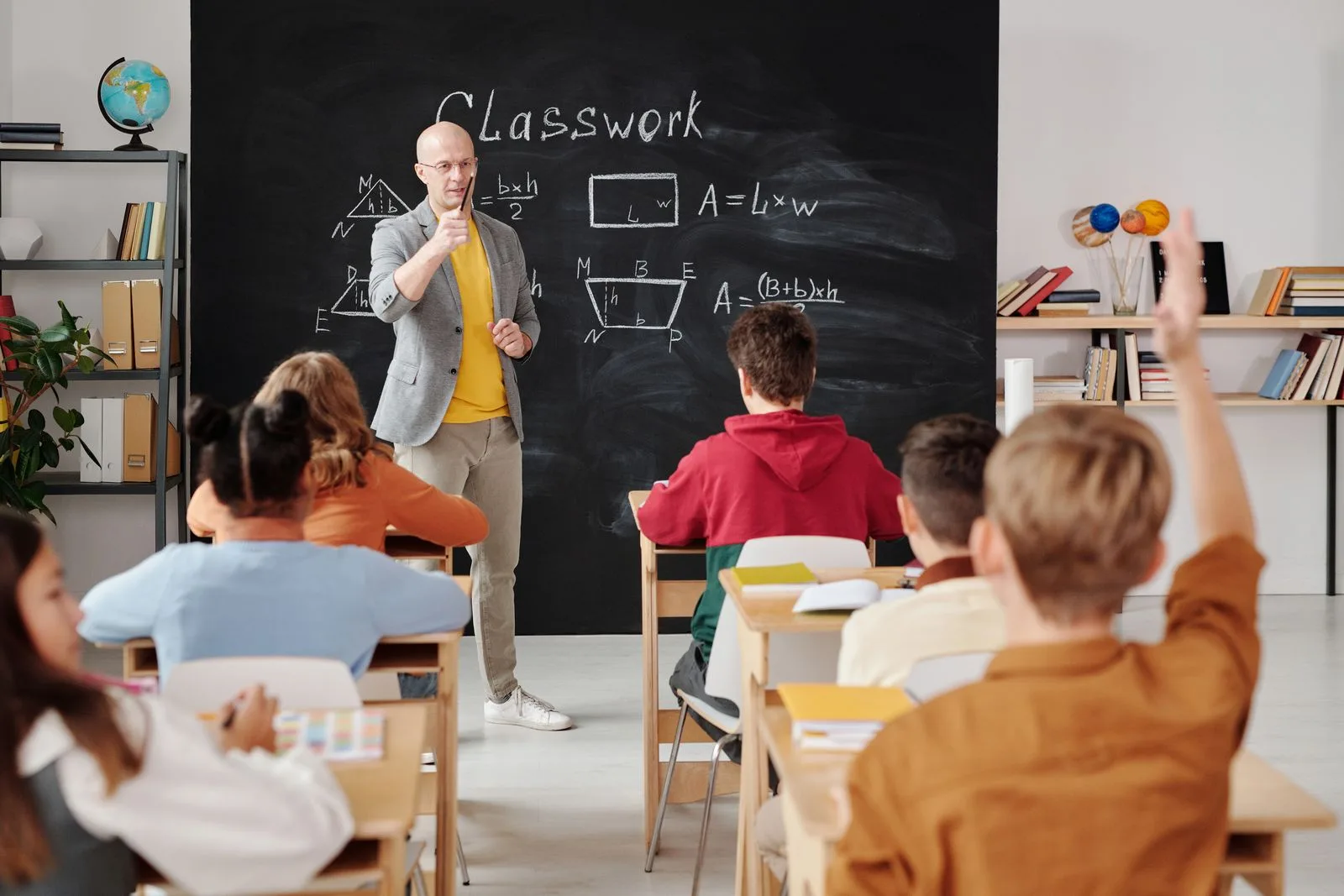
Math proofs and word problems, science explanations, history source comparison, and essay planning all train analysis. Strong tutoring insists on “show your reasoning,” not answer keys. That is exactly the muscle AI can weaken if children never practice it.
When 1:1 tutoring accelerates critical thinking
If your child freezes on open-ended questions or races to paste AI solutions, a patient tutor can rebuild step-by-step habits. Kiwi Classes sessions emphasise thinking aloud in math, science, and English—transferable to questioning any digital tool. Start with a demo to see how your child responds when answers are not handed over.
What parents say
Real feedback from families learning with Kiwi Classes.
We made her explain every math answer before checking a tool. It felt slow—then her confidence on unfamiliar problems jumped.
The tutor refuses shortcuts. That habit spilled into how he reads news and AI summaries.
Frequently asked questions
Yes. Short, regular conversations and “prove it” routines matter more than special worksheets. Consistency beats intensity.
Not necessarily. Supervised, hint-only use can coexist with strong thinking rules. Blind bans often fail; clear boundaries and first-draft requirements work better for many families.
Ready to find the right tutor?
Get personalized guidance from our experts, explore our courses, and receive career advice tailored to your goals—at no cost. No payment required to book—see teaching style before you decide.