
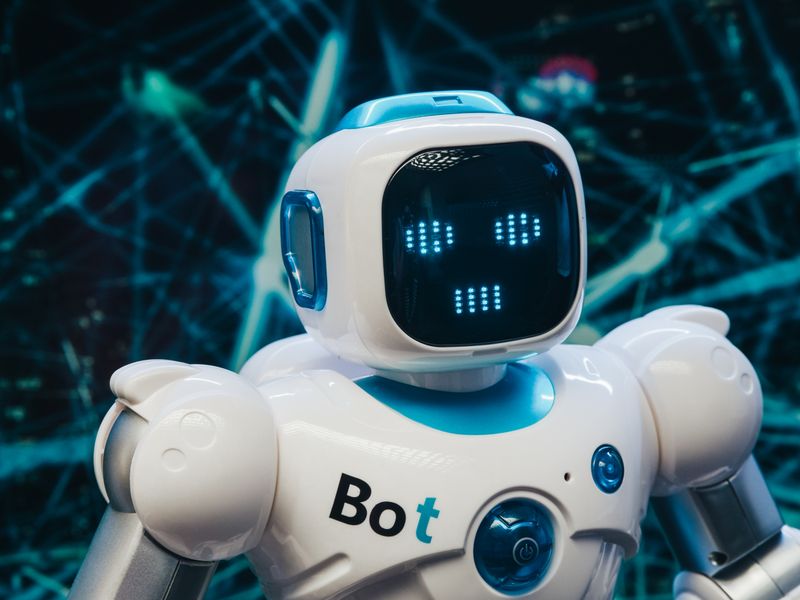
Why robotics beats “just another STEM class”
Screen-only coding can feel abstract. Robotics closes the loop: a child writes a sequence, a motor turns, a sensor reacts—or nothing happens, and they must debug. That tangible cause-and-effect trains systems thinking, persistence, and spatial reasoning in a way worksheets rarely do. Skills transfer to math word problems, science investigations, and school computational thinking (CT)—the same foundations CBSE now emphasizes for Classes 3–8 under its CT & AI curriculum aligned with NEP 2020. Frame robotics as a thinking gym with physical feedback, not a guarantee of an early robotics career.
Ages 6–8: build and sequence before heavy coding
At this age, prioritize mechanical building, simple machines, and unplugged sequencing games over text programming. Short sessions with snap-together kits, basic wheeled builds, or “program a human robot” games teach order, constraints, and trial-and-error without frustration. Pair curiosity with number sense and reading instructions. If school already introduces CT through puzzles and patterns, reinforce it at home by asking “what should happen next?” instead of stacking expensive gadget classes.
Ages 9–12: block coding plus simple robots
Middle childhood is a natural window for block-based programming tied to a simple robot or kit: move forward, turn, stop on an obstacle, follow a line. Quality markers: the child can explain the plan before building, debug without meltdown, and connect projects to something they care about (a maze, a delivery bot, a classroom demo). Avoid pressure-cooker “competition only” tracks until foundations feel fun. Weak algebra or multi-step reading will slow progress—shore those up in parallel.
Ages 13+: text coding, sensors, and competitions with balance
Teens can move toward text languages, richer sensors, and team challenges—if interest is real and school load allows. Competitions can motivate, but they also create late nights and adult over-help. Keep sleep, academics, and play in the mix. Treat robotics as one strong project pathway alongside coding, science labs, and writing. In an AI-rich world, students who can specify goals, test hardware, and verify results stay ahead of those who only paste generated code.
How to choose kits and programs
Start from a learning goal, not a shopping list: sequencing, sensing, or a showcase project. Prefer kits with clear documentation and a path from guided builds to open projects. Ask programs how adults facilitate—do children debug themselves, or do coaches finish the robot before demos? Cost realism matters: one well-used kit plus weekly mentoring beats three unused boxes. Online 1:1 guidance can help when kits are shared at home or school labs are limited, especially for NRI families coordinating across time zones.
Red flags of over-coaching
Warning signs include nightly tears, zero free play, stacked STEM classes with no depth, certificate collecting without understanding, or adults finishing builds for marks and photos. Also watch for “kit collecting” where new hardware arrives before the last project is understood. A healthy path balances robotics with writing, speaking, movement, and sleep. If math foundations are weak, rebuild those first—measurement, angles, and ratios multiply later robotics success.
Build the foundations robotics needs
Strong math, clear science intuition, and confident problem-solving make robotics classes stick. Kiwi Classes offers personalized 1:1 support in math, science, and computational-thinking habits so students arrive ready to reason—not just copy templates. Book a demo if your child freezes on multi-step tasks, loses patience when a build fails, or school CT/AI projects feel overwhelming.
What parents say
Real feedback from families learning with Kiwi Classes.
We paused the fancy kit race and did short weekly builds with clear goals. Our daughter finally started debugging herself instead of asking us to “make it work.”
Robotics clicked once algebra tutoring filled a measurement gap. The robot class stopped feeling like failure and started feeling like problem-solving.
Frequently asked questions
Building and sequencing games can start around 6–8; block-programmed robots often fit around 9–12 if curiosity is there; text coding and advanced sensors usually land better after 12–13 with solid reading and math habits.
They complement each other. Coding trains logic on a screen; robotics adds physical feedback and hardware constraints. Many children who struggle with abstract coding engage faster when motors and sensors make mistakes visible.
No. Start with affordable, well-documented kits or school lab access. Depth of projects and adult facilitation matter more than brand prestige. Upgrade hardware only after your child outgrows what they have.
Ready to find the right tutor?
Get personalized guidance from our experts, explore our courses, and receive career advice tailored to your goals—at no cost. No payment required to book—see teaching style before you decide.