
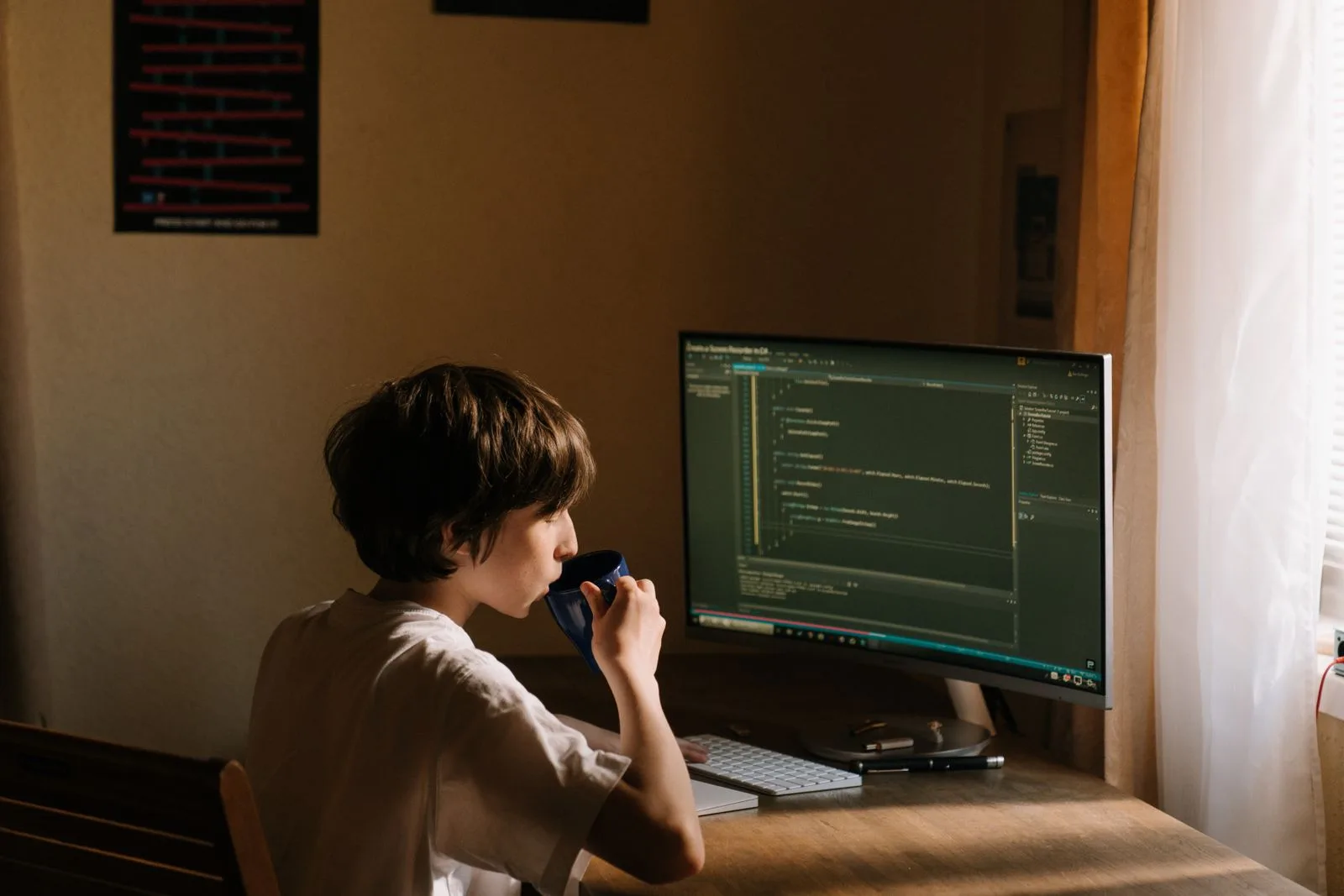
Coding is a thinking gym—not a job guarantee
Parents often ask whether coding will “secure” a software career. A better frame: coding trains decomposition, debugging, and persistence—skills that transfer to math word problems, science investigations, and everyday decision-making. In an AI-rich world, children still need to specify problems clearly and evaluate outputs. Treat coding as one strong tool for that muscle, not the only path to success.
Ages 6–9: logic first, light tools second
At this age, prioritize unplugged sequencing games, puzzles, and visual block tools such as Scratch if interest appears. Short, playful sessions beat long lectures. Pair coding curiosity with reading and number sense so children can follow instructions and reason about outcomes. If school already covers computational thinking (as CBSE now does from Class 3), reinforce it at home with “explain your steps” conversations instead of stacking more classes.
Ages 10–14: projects, Python intro, and real products
Middle school is a natural window for block-to-text progression and small projects: a game, a simple website, or a data mini-project. Introductory Python can help—but only after kids enjoy solving problems. Quality markers: they can debug without meltdown, describe what the program should do, and connect projects to something they care about. Avoid pressure-cooker bootcamps that jump to advanced topics without foundations.
Red flags of over-coaching
Warning signs include nightly tears, zero play, stacked STEM classes with no depth, or adults finishing projects for marks. Also watch for “certificate collecting” without understanding. A healthy path balances coding with writing, speaking, movement, and sleep. If math foundations are weak, shore those up first—algebra fluency multiplies later programming success.
Build the foundations coding needs
Strong math, clear English instructions, and confident problem-solving make coding classes stick. Kiwi Classes offers 1:1 support in math, science, and computer science concepts so students arrive at coding ready to think—not just copy templates. Book a demo if your child freezes on multi-step tasks or school CT/AI projects feel overwhelming.
What parents say
Real feedback from families learning with Kiwi Classes.
We paused the advanced course and switched to short Scratch projects plus algebra tutoring. Motivation returned within weeks.
Our son wanted Python overnight. Building math confidence first made the syntax much less scary.
Frequently asked questions
Logical thinking can start early with games; visual coding often fits around 7–9 if they are curious; text coding usually lands better after 10–11 with solid reading and math habits.
Yes. Scratch builds sequencing and creativity. Kids who understand structure use AI as a helper later; kids who only paste AI code cannot debug when it fails.
Ready to find the right tutor?
Get personalized guidance from our experts, explore our courses, and receive career advice tailored to your goals—at no cost. No payment required to book—see teaching style before you decide.